





What is co-regulation?
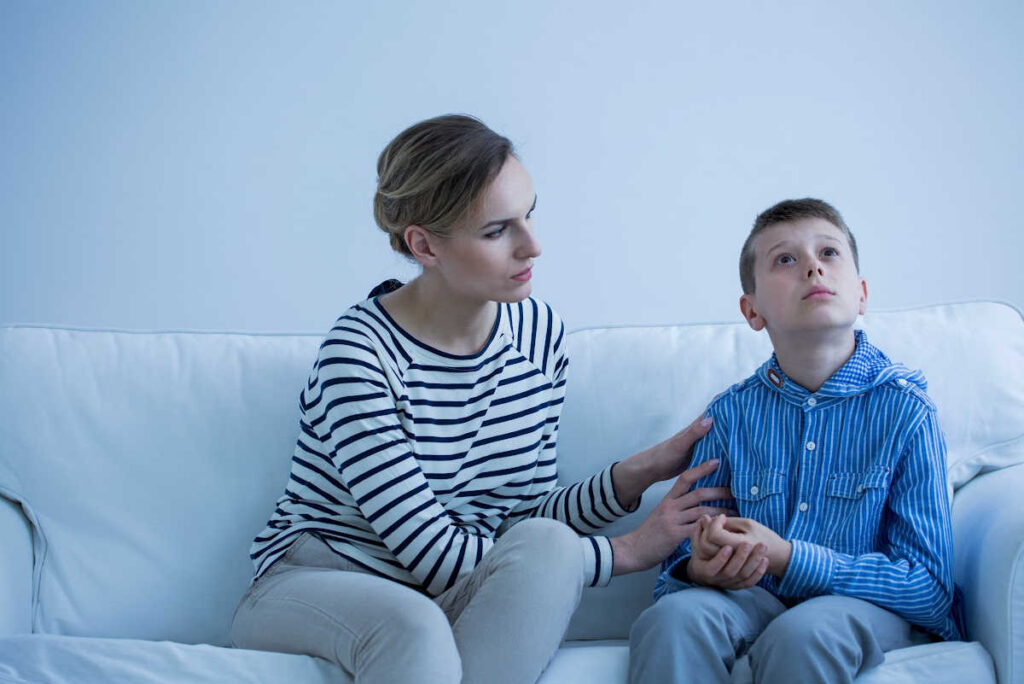
Co-regulation is when a calm, supportive adult helps a child manage their emotions by modelling stability and offering emotional safety. This does not mean fixing the problem or stopping the emotion, instead, it’s about being with a child while they experience their emotions.
Co-regulation with a child can look like:
- speaking in a calm, steady voice
- sitting nearby without rushing them
- acknowledging how they’re feeling
- offering comfort if they are wanting it
- helping them make sense of what happened once they’re calm
Steps to co-regulation
It’s important to note that co-regulation is not a stand-alone skill – it relies on a warm, responsive relationship where there is structure and where limits are set. Children benefit when there is a consistent, predictable routine, and clear expectations and consequences are set out for them.
Co-regulation can look different, depending on the child and the circumstances. Some children will seek a hug, while others prefer space, fewer words, or support through shared calming activities.
While there are small differences, the steps to take for co-regulation are similar:
- Regulate yourself first
The supportive adult will first need to make sure their own emotions are regulated and that they themselves are calm – pause and use a calming strategy (e.g., take a deep breath; take a long exhale to decrease heart rate). To calm a child, the adult must first be calm. - Validate the child’s feelings
To help the child feel heard and understood, reflect what they are saying or feeling. For example – “I can see that you’re feeling [insert emotion]”, “I know this is not what you want”, “you don’t think this is fair”. - Adjust support to match what the child needs
Depending on the circumstances and the child’s response, decide on what response is most helpful. For example, this could be a hug, giving some space, fewer words, or shared calming activities.
Why is co-regulation so important?
The ability to regulate emotions is a skill that develops over time. Children are not born with the ability to calm themselves, and often teenagers will also need support when emotions become overwhelming.
Research shows that co-regulation is one of the key ways children develop emotional regulation skills. Each time a child is supported through a difficult emotion, they are learning to recognise and manage those feelings for themselves. Over time, they become able to do this independently.
