





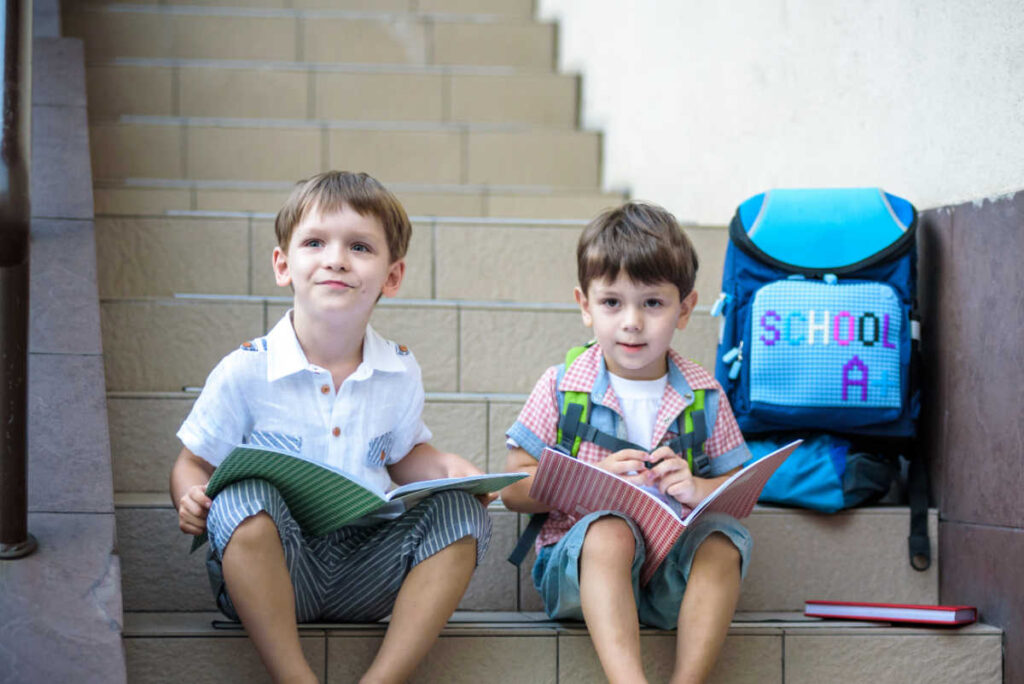
Starting Prep is a big milestone for children and their families. It is often a time filled with excitement, but it can also bring plenty of questions for parents. Is my child ready? Should they know how to read? Can they manage their emotions? Are they independent enough?
School readiness is often thought of as whether a child has learnt enough letters, numbers and other academic skills before starting school. While these skills can be helpful, being ready for school involves much more than this.
Children also need to adjust to new routines, spend longer periods away from their parents, interact with a much larger group of children and manage many parts of their day with less individual adult support.
What does ‘school readiness’ actually mean?
School readiness refers to the skills and abilities that help a child participate in and adapt to the school environment.
These include things such as communication, independence, attention, social skills, emotional development and the ability to manage everyday challenges.
It is also important to remember that children do not all develop these skills at the same rate. One child may be very confident socially but need more help with independence, while another may be very independent but find new social situations difficult.
There is no checklist that every five-year-old needs to have completely mastered before their first day of Prep.
Emotional readiness is important
Starting school means being exposed to lots of new experiences. Children may need to cope with disappointment, wait for their turn, follow instructions, move between activities and ask for help when they need it. However, children don’t need to be able to manage all of these things before school starts. These are skills that continue to develop throughout the early years of school.
Providing children with opportunities to practise coping with everyday challenges allows them to become more confident in managing things for themselves.
Independence can make a big difference
There are many small tasks that adults naturally do for young children that become important once they start school.
Being able to manage some of their own belongings and personal care can help children feel more capable and confident. It also means that teachers can spend more time supporting learning and social development rather than helping with tasks that a child could otherwise manage themselves. For example, teaching skills such as taking on and off jumpers and opening lunchboxes can help your child feel independent and confident in the classroom.
What about friendships?
For many parents, one of the biggest concerns about starting school is whether their child will make friends. Children are still developing their social skills at this age. They are learning how to join play, share ideas, negotiate, take turns and manage disagreements.
Some children will walk into school and quickly start talking to other children. Others may take a little longer to feel comfortable. Neither of these is better than the other, it often comes down to personality. Being quieter or taking time to warm up does not necessarily mean that a child is not socially ready for school.
School readiness is not just the child’s responsibility
The transition to school involves the whole environment around the child. Families, kindergartens, early learning services and schools all play an important role in helping children adjust.
If a child has particular developmental, learning, communication or emotional needs, sharing this information with their school can help teachers understand the child and plan appropriate support.
For some children, additional support before starting school can also be helpful. This might include a school readiness program, consultation with a psychologist, speech pathologist or occupational therapist, or an assessment to better understand a child’s individual strengths and needs.
What if my child doesn’t seem ready?
If you have concerns about your child’s school readiness, it doesn’t necessarily mean that they need to delay starting school or that they will struggle once they get there. Children can change considerably over the months leading up to Prep, and some children surprise their parents with how quickly they settle once they are in the school environment.
Rather than trying to make sure your child can do everything before their first day, it can be more useful to think about where they are now and whether there are areas where some extra support or practice could make the transition easier.
Starting Prep is a big step, and children don’t need to have everything figured out before they walk through the school gates. They will continue learning, developing and becoming more independent as they settle into their new environment.
Have you decided your child is ready for prep?
